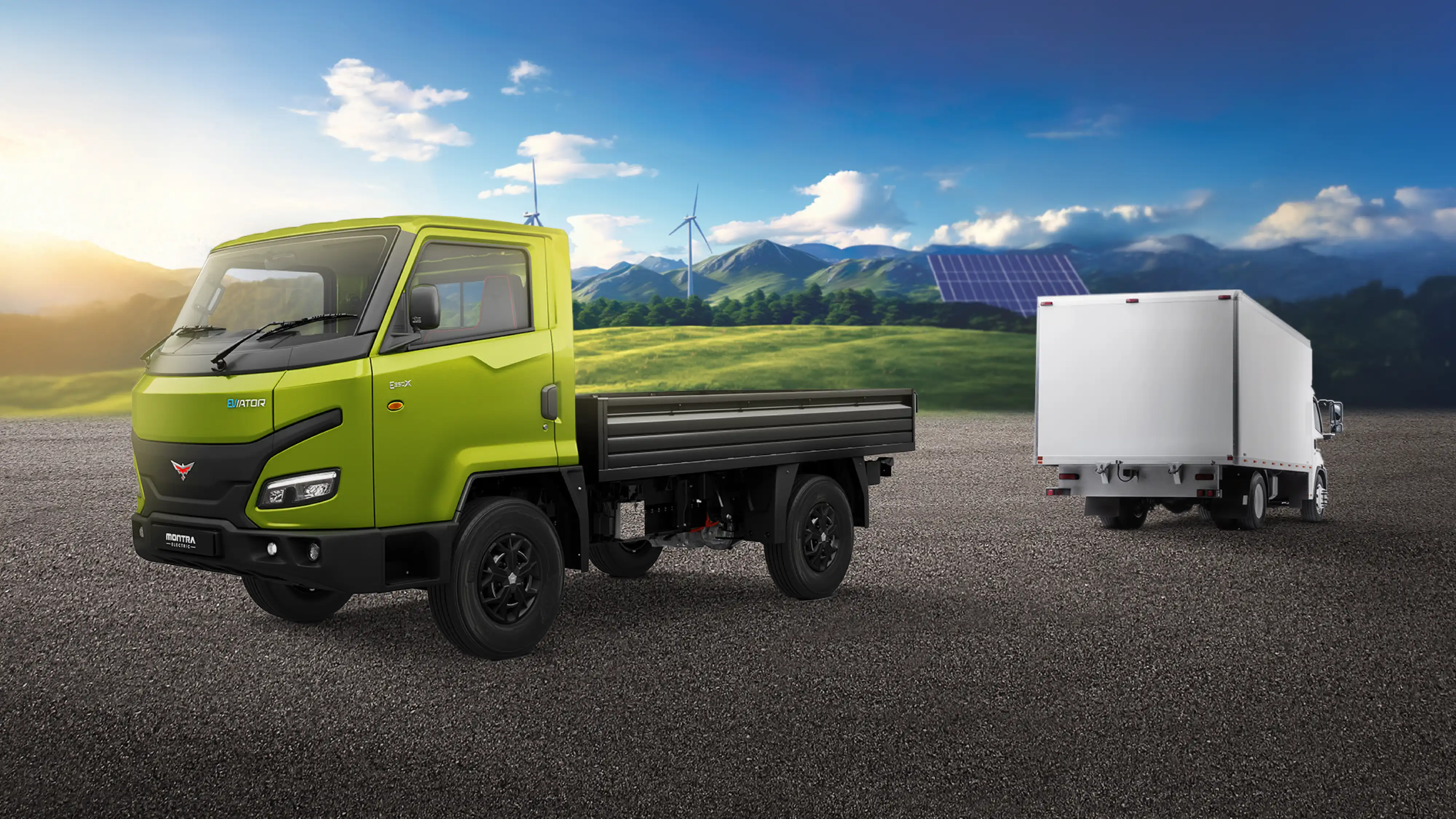
For fleet managers balancing costs, uptime, and customer SLAs, the question of adopting electric light commercial vehicles is now front and centre. The conversation has shifted from waiting for electric LCVs to evaluating whether they outperform diesel where it truly matters. When assessed on total cost of ownership, reliability, driver productivity, and regulatory exposure, electric light commercial vehicles consistently come out ahead—especially for urban and intra-city routes with predictable return-to-depot cycles.
Predictable energy costs > volatile fuel bills
Diesel prices fluctuate, but electricity tariffs can be scheduled. With depot charging, time-of-day tariffs, and rooftop solar, fleets can lock in predictable energy costs and quote contracts confidently without fuel-price buffers.
Lower maintenance, fewer surprises
Electric drivetrains eliminate engine oil, injectors, clutches, and emission hardware. Regenerative braking reduces brake wear, translating into fewer workshop visits and lower maintenance expenses.
Uptime is king – and EVs protect it
IP-rated components, modular systems, and always-on diagnostics keep electric LCVs earning instead of sitting idle.
Driver comfort boosts output
Quiet cabins, reduced vibration, and instant torque improve productivity in stop-start urban traffic while reducing fatigue.
A fair comparison requires a full Total Cost of Ownership (TCO) view:
In high-utilisation, return-to-depot duty cycles, electric LCVs often break even within 18–36 months, after which savings compound rapidly.
Modern e-LCVs such as the Montra Electric EVIATOR are engineered to preserve payload while delivering strong low-speed torque. Always validate GVW, real-world consumption, and cargo ergonomics using your actual routes.
Electric LCVs help fleets avoid emission restrictions, congestion penalties, and regulatory risk. Battery warranties, telematics-powered service SLAs, and ingress-protected electronics protect uptime and residual value.
Payload, charging complexity, and battery life concerns are outdated. Modern electric LCVs match diesel capability while offering long warranties and smarter fleet operations.
Electric light commercial vehicles deliver superior value across cost, performance, and sustainability. The transition from diesel is not a future possibility—it is already underway.
1. Are electric light commercial vehicles really better than diesel LCVs for fleet operations?
Yes, especially for urban and intra-city fleets with predictable return-to-depot routes. Electric LCVs offer lower operating costs, reduced maintenance, better uptime, and lower regulatory risk when evaluated over the full vehicle lifecycle.
2. How does the total cost of ownership (TCO) of an electric LCV compare to diesel?
When energy cost, maintenance, downtime, and resale value are considered, electric LCVs often achieve cost parity within 18–36 months. After breakeven, every additional kilometre delivers higher margins compared to diesel LCVs.
3. Will charging disrupt daily fleet operations?
No. Most fleets rely on overnight depot charging, which aligns naturally with return-to-base operations. Opportunity charging during breaks and solar-assisted depots further extend daily range without affecting schedules.
4. Do electric LCVs compromise on payload or performance?
Modern electric LCVs are designed to maintain competitive payload capacity while delivering instant torque for stop-start urban driving. Vehicles like the Montra Electric EVIATOR provide strong real-world performance without sacrificing cargo efficiency.
5. How do electric LCVs help with risk management and future regulations?
Electric LCVs eliminate exposure to emission restrictions, congestion charges, and tightening environmental norms. With battery warranties, telematics-driven diagnostics, and sealed electronics, they also reduce operational and residual-value risk.
6. What hidden savings do fleets often overlook with electric LCVs?
Key overlooked benefits include no idle fuel loss, reduced brake wear due to regenerative braking, fewer workshop days, eliminated fuelling logistics, and improved brand perception—especially for customer-facing delivery operations.
7. What is the safest way for fleet managers to adopt electric LCVs?
A phased approach works best: pilot a small number of vehicles, analyse real ₹/km and uptime data, optimise charging and driving behaviour, and then scale deployment. This minimises risk while maximising learning and ROI.

.svg)


.png)