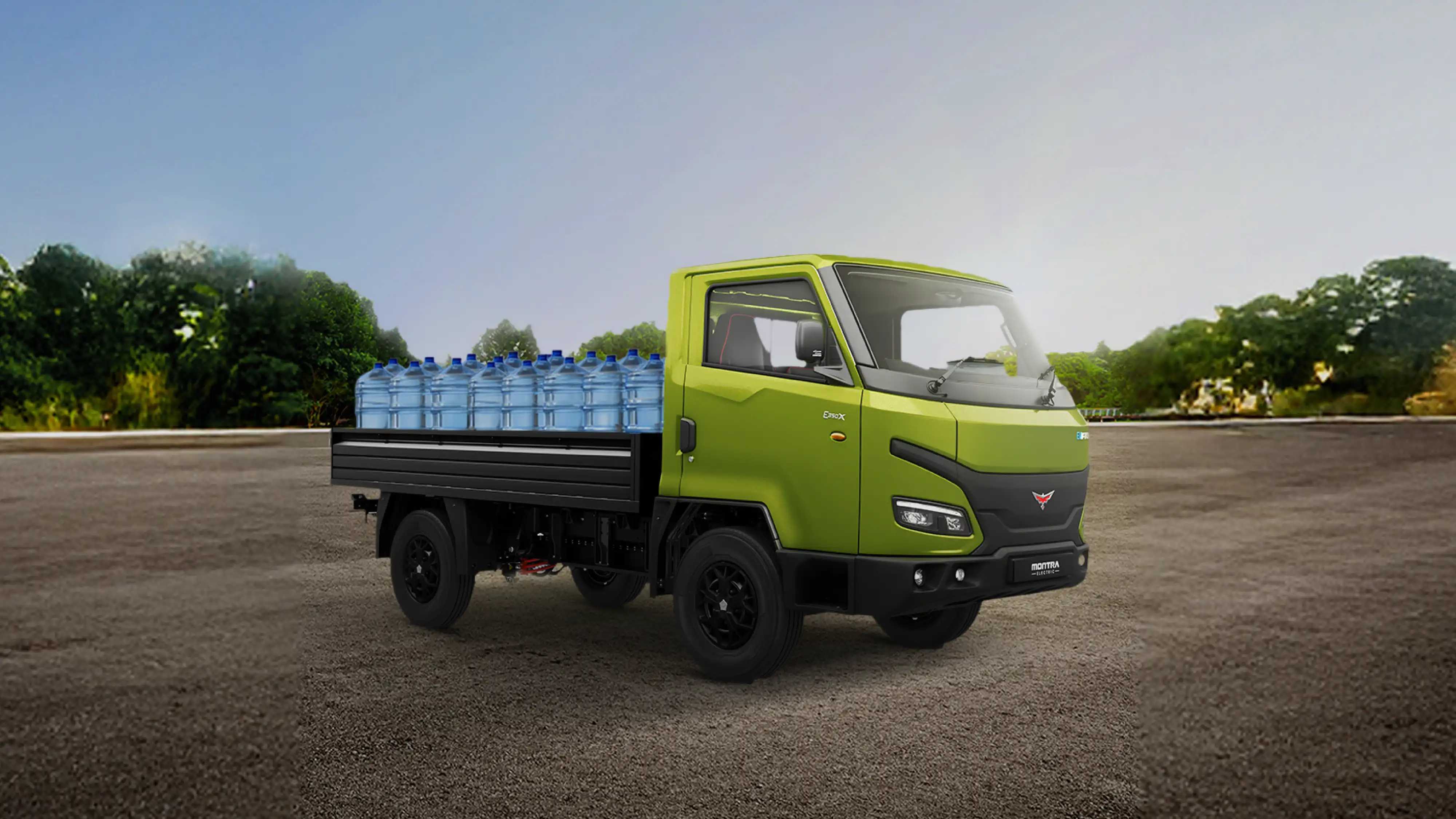
The delivery economy, local retail deliveries, services, and municipal operations are changing fast. A new class of vehicle sits at the centre of this shift - the electric mini truck. Compact, capable and cheaper to run than conventional diesel light cargo trucks, e-mini trucks are reshaping how goods move inside cities and dense peri-urban areas.
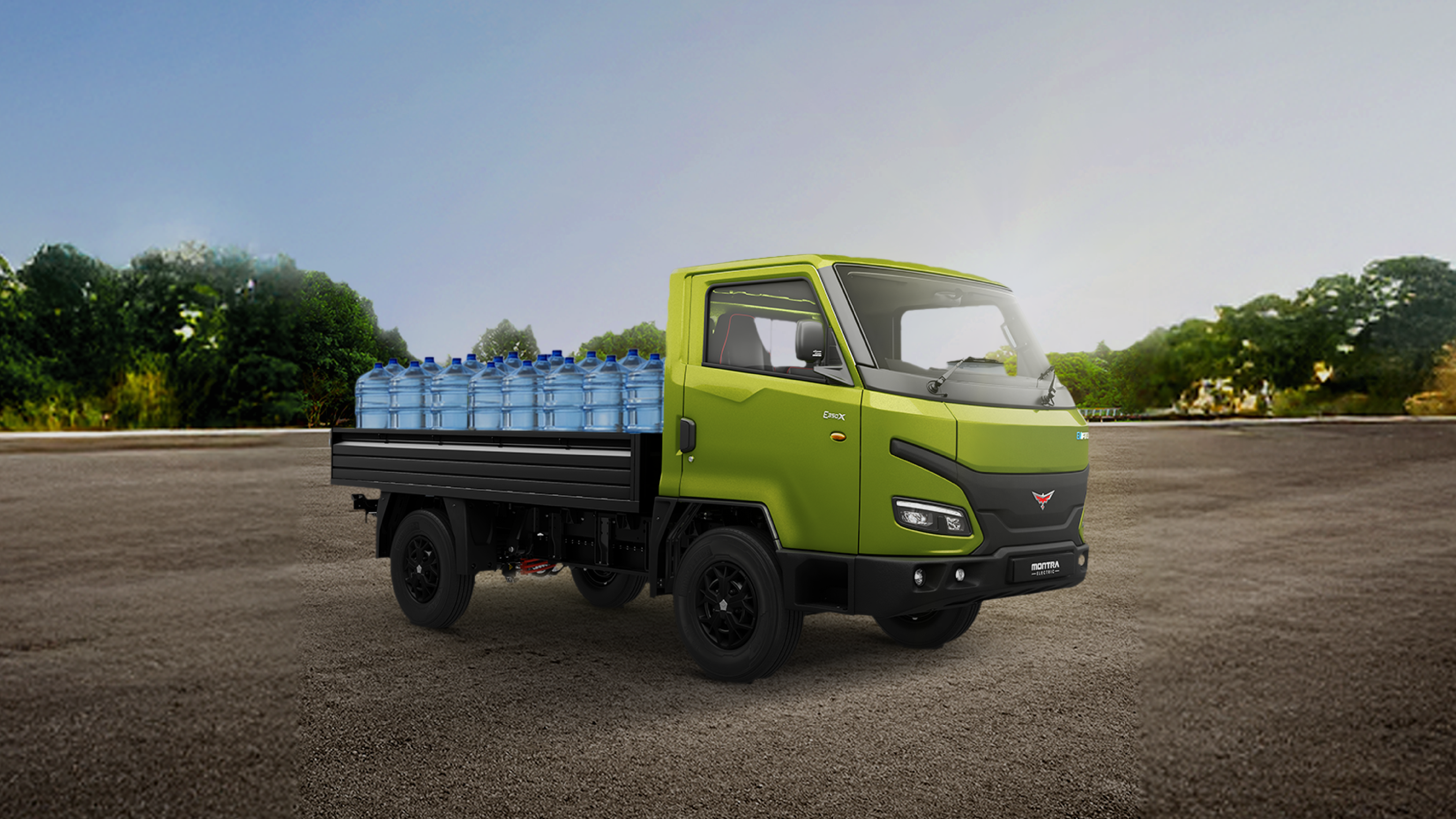
Light cargo movement is increasingly about frequency, predictability and low operating cost per trip. Electric mini trucks excel in these areas. For short, dense routes like intra-city distribution, supermarket replenishment, restaurant deliveries and campus logistics, electric mini trucks such as Montra Electric EVIATOR deliver instant torque for fully loaded pulls, quieter operation that improves urban life, and lower per-km energy cost that stabilises margins. As businesses compete for contracts with tight SLAs, the predictable operating costs of electric mini trucks in India become a strategic edge.
The most common early adopters are operators with predictable return-to-base cycles. Typical use cases include:
These roles emphasise frequent stops, controlled routes and daily depot access - conditions where these electric small commercial vehicles deliver clear value.
Battery packs & thermal management: Modern lithium chemistries with active thermal management deliver predictable performance under repeated heavy use. For electric mini truck operators, this means usable range that holds up during hot summers and sustained load cycles.
Telematics & predictive maintenance: Connected electric vehicles provide state-of-charge (SoC) visibility, route energy forecasts and early fault flags, letting managers dispatch the right vehicle for each run and prevent small issues from becoming costly downtime.
Designing charging around operations is the secret to success.
Implementing a layered charging model keeps vehicles working and reduces dependence on public fast chargers.
When you compare e-mini truck price to diesel alternatives solely on sticker cost, the result can be misleading. Total Cost of Ownership (TCO) is where e-mini trucks usually beat diesel: Energy: Depot electricity (and solar) yields a far lower ₹/km than diesel on short, stop-start routes. Maintenance: Fewer moving parts, no oil changes and regenerative braking reduce service bills and parts inventory. Downtime: Robust design and remote diagnostics minimise unscheduled repairs—meaning more billable trips per vehicle. Driver productivity: Smoother drive and less fatigue increase daily throughput. For many urban use cases, the payback period is measured in 18–36 months, after which every operating day adds to net margin.
Indian roads and weather put unique stresses on small and light commercial vehicles. To weather these, practical design features must be prioritised. These include:
Vehicles designed to these standards spend more time delivering and less time being fixed.
Electric mini trucks deliver optimal solutions for urban logistics. With quicker payback periods and declining battery costs, the TCO advantage over diesel continues growing. Early adopters gain competitive benefits through lower operating costs and improved reliability. Small and light commercial vehicle operators making purchase decisions should seriously consider electric options. As urban delivery demands intensify, electric mini trucks define the future of city logistics.
1. What is an electric mini truck and how is it different from a diesel light cargo truck?
An electric mini truck is a compact commercial vehicle powered by an electric drivetrain instead of a diesel engine. It offers lower running costs, quieter operation, and fewer maintenance requirements, making it ideal for urban and short-haul logistics.
2. Why are electric mini trucks gaining popularity in urban logistics?
Electric mini trucks are gaining traction due to their low per-km energy cost, instant torque for stop-start traffic, and suitability for emission-sensitive zones. Their predictable operating costs help businesses meet tight delivery SLAs while protecting margins.
3. What are the most common use cases for electric mini trucks in India?
Electric mini trucks are widely used for last-mile e-commerce deliveries, grocery and dark-store replenishment, municipal services, campus logistics, and light construction tasks where noise and emissions need to be minimal.
4. How do charging strategies impact electric mini truck uptime?
Well-planned charging ensures high vehicle availability. Overnight depot charging, short daytime top-ups during breaks, and solar-assisted or managed charging help fleets maximise daily trips without relying heavily on public fast chargers.
5. Are electric mini trucks cost-effective when compared on total cost of ownership (TCO)?
Yes. While upfront prices may be comparable, electric mini trucks usually outperform diesel vehicles on TCO by helping the customers save 17.5* lakhs in 7 years due to lower energy costs, reduced maintenance, minimal downtime, and better driver productivity, often achieving payback within 18–36 months. *T&C Apply
6. How do telematics and connected technologies benefit electric mini truck fleets?
Telematics provide real-time state-of-charge tracking, route energy forecasting, Digital twin and predictive maintenance alerts. This enables smarter dispatching, balanced battery usage, and early issue detection, reducing downtime and operational surprises.

.svg)


.png)