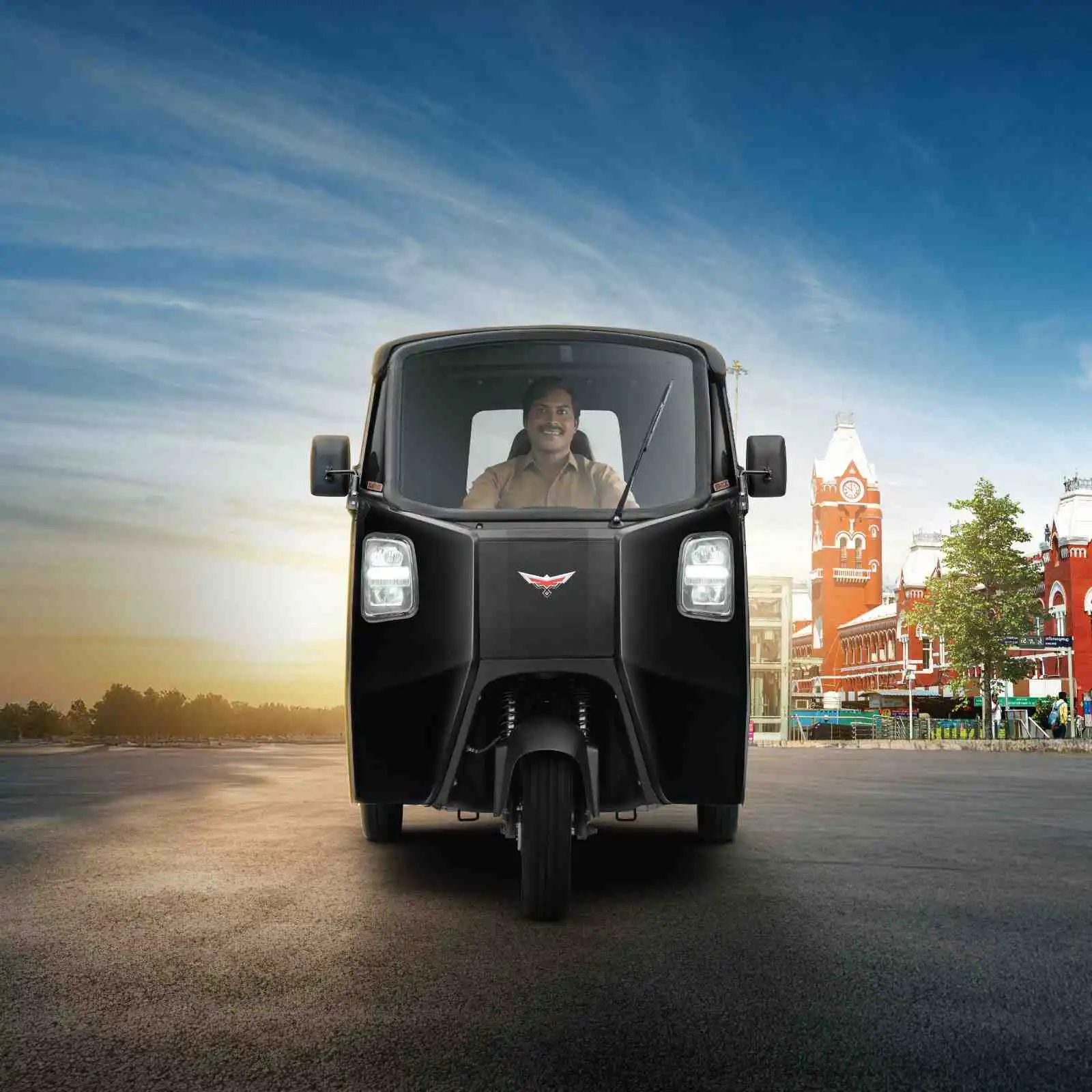
If you run last-mile deliveries or hyperlocal logistics, you’re constantly balancing cost per kilometre, uptime and driver productivity. In India, CNG cargo 3-Wheelers have ruled the roost for years but with the advent of electric cargo 3-Wheelers they now have serious competition. Which one actually saves more? When you evaluate energy ₹/km, maintenance, downtime, and long-term risk, electric cargo 3-Wheelers come out ahead on most urban and peri-urban routes.
Electricity delivers predictable pricing. You can schedule charging during off-peak windows and even pair it with rooftop solar to stabilise costs further. CNG, by contrast, is subject to price revisions and local pump availability. Queue times at CNG stations quietly tax your operations. Drivers spend revenue-earning minutes standing still, and your dispatch schedule bears the brunt. For high-density routes, a low, predictable EV ₹/km compounds into meaningful monthly savings.
An electric cargo 3-Wheeler uses a simplified drivetrain. There is no engine oil, no injectors, no spark plugs, no belts and no complex emission systems. Regenerative braking trims brake wear. Over three to five years, this translates into fewer workshop visits, smaller parts inventories, and less unplanned downtime. CNG engines do reduce some fuel-system complexity compared to petrol, but they still have engine wear items and scheduled services that add up.
Downtime is the biggest line item many spreadsheets miss. Electric cargo 3-Wheelers deliver quiet operation, instant torque, and low vibration reducing driver fatigue and completing more trips per shift. With telematics, issues are flagged early, so you repair proactively rather than dealing with breakdowns. CNG 3-Wheelers can be reliable, but they don’t benefit from regenerative braking, and queue-based refuelling creates avoidable idle time.
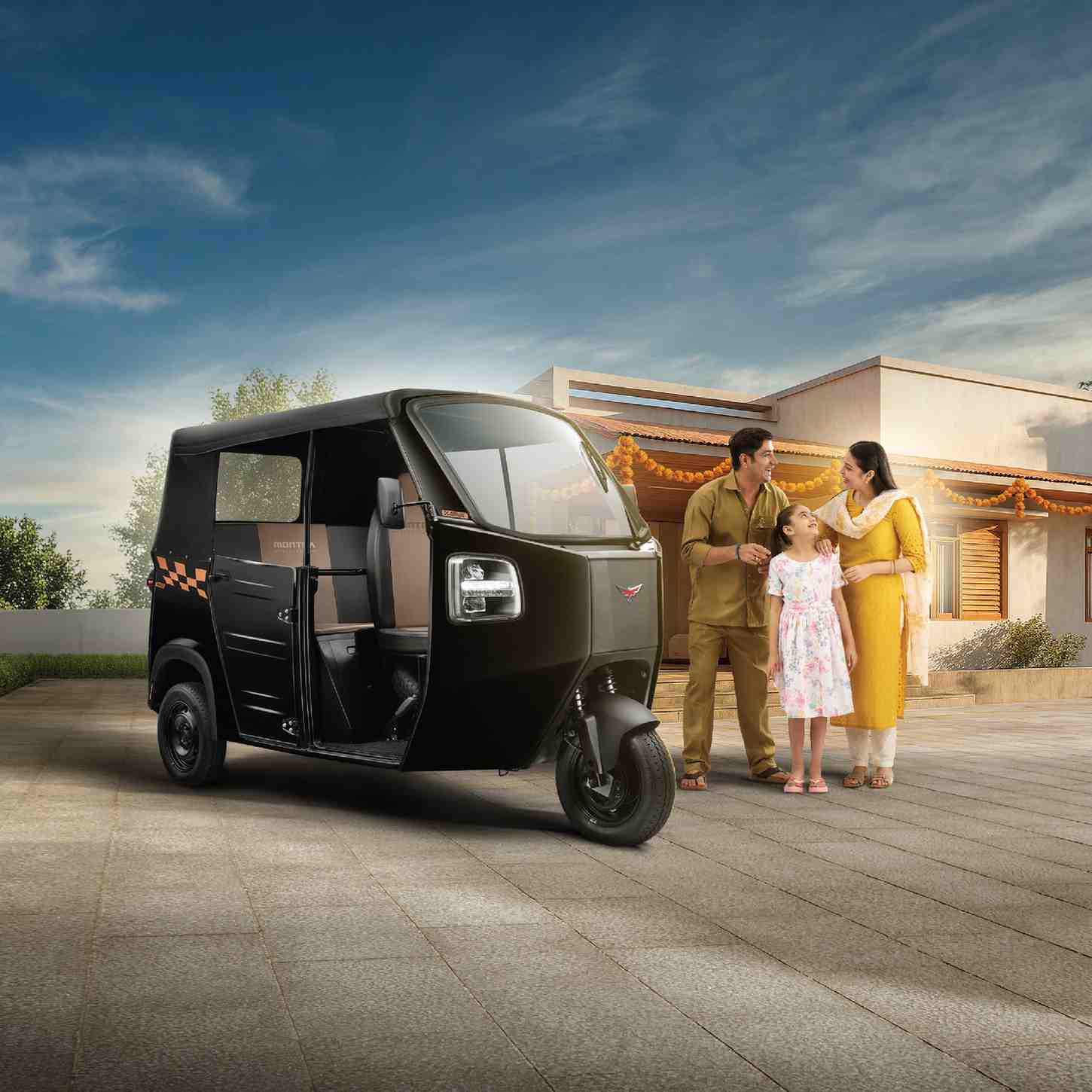
To fairly compare electric vs CNG cargo 3-Wheelers you need to evaluate the total cost of ownership based on your usage.
On typical return-to-depot routes with frequent stops, energy and maintenance savings let electric cargo 3-Wheelers such as Montra Electric’s Super Cargo break even within 18–36 months, depending on your running. Once this initial breakeven is hit, your savings and earnings grow further.
The most reliable play is to start every shift at 100% SoC using overnight depot or home charging. For busy days, add fast charging for your electric cargo 3-Wheeler during loading or meal break. Adding rooftop solar at warehouses further lowers marginal energy cost and cushions tariff changes.
CNG’s refuelling speed can be attractive, but real-world queues and station detours eat into that advantage. If refuelling adds 20–30 minutes per day, that’s a lost delivery wave—and a direct hit to revenue.
Urban policies increasingly favour low-emission vehicles through green zones, parking/permit preferences, or potential congestion charges. Electric cargo 3-Wheelers sidestep tailpipe emissions entirely, giving you smoother compliance over the next decade. CNG is cleaner than diesel, but it still emits CO₂ and local pollutants, so it’s more exposed to tightening standards. With more emphasis being put on sustainability, your electric cargo fleet could also be attractive while bidding for tenders and corporate contracts.
CNG makes sense when:
Electric cargo 3-Wheelers are ideal when:
In other words, for last-mile logistics and most service fleets, electric cargo 3-Wheelers typically offer better economics and smoother daily operations.
When you weigh real-world energy costs, maintenance, uptime and policy trends, electric cargo 3-Wheelers such as Montra Electric’s Super Cargo offer the stronger, more future-proof business case versus CNG cargo 3-Wheelers for most last-mile and intra-city operations. The combination of predictable ₹/km, fewer moving parts, and queue-free charging turns your fleet into a stable, margin-positive engine.

.svg)


.png)